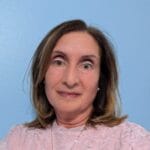
 Shoshana Averbach, LMSW, MA, MT-BC, LCAT, CDP, CCM, BCBP3, CMIP
Inspiring Music Therapy Educator
Shoshana Averbach, LMSW, MA, MT-BC, LCAT, CDP, CCM, BCBP3, CMIP, is a licensed social worker, Licensed Creative Arts Therapist, board-certified music therapist, Certified Dementia Practitioner, case manager, educator, presenter, composer, and integrative wellness practitioner. Her work brings together music therapy, counseling, case management, dementia care, caregiver support, mindfulness-informed practice, creative expression, and spiritually oriented wellness services for adults and older adults.
Shoshana Averbach, LMSW, MA, MT-BC, LCAT, CDP, CCM, BCBP3, CMIP, earned a Master of Arts in music therapy from New York University and a Master of Social Work from Yeshiva University’s Wurzweiler School of Social Work. Across decades of work in home care, hospice, nursing homes, adult day programs, short-term rehabilitation, senior centers, and private practice, she has supported people facing cognitive change, emotional distress, disability, caregiving demands, relationship concerns, and major life transitions.
Shoshana Averbach, LMSW, MA, MT-BC, LCAT, CDP, CCM, BCBP3, CMIP, also writes and performs original music and hosts the visual podcast Love, Light & Wisdom, which explores personal growth, healing, and transformation. Her educational programs help mental health professionals and care teams consider how music, reminiscence, creativity, mindfulness, and culturally responsive communication can support engagement while remaining grounded in assessment, consent, professional scope, and each client’s preferences.
Professional Background
Shoshana Averbach, LMSW, MA, MT-BC, LCAT, CDP, CCM, BCBP3, CMIP, completed graduate training in two complementary helping disciplines. Her music-therapy education prepared her to use music clinically within an individualized therapeutic relationship, while her social-work education added assessment, counseling, advocacy, case management, resource coordination, and attention to family and environmental systems. Current presenter profiles identify her as an adjunct psychology instructor at Touro University, although that appointment should be reconfirmed through a current university directory before publication.
Shoshana Averbach, LMSW, MA, MT-BC, LCAT, CDP, CCM, BCBP3, CMIP, has worked extensively with older adults and people living with dementia. Her professional history includes home-care social work, hospice, long-term care, rehabilitation, adult day services, senior programming, bedside support, recreation leadership, staff education, and music-therapy consultation. This breadth allows her to consider clinical needs alongside caregiver strain, access to benefits, long-term-care planning, communication changes, quality of life, and the realities of institutional care.
Shoshana Averbach, LMSW, MA, MT-BC, LCAT, CDP, CCM, BCBP3, CMIP, currently operates Healing Notes through Authentic Radiance. The practice describes counseling and case-management services for New York residents, music therapy, music instruction, professional consultation, webinars, and complementary spiritual or energy-focused services. These offerings should be described with clear role boundaries because licensed psychotherapy, clinical music therapy, education, coaching, and spiritual wellness services involve different evidence standards, informed-consent requirements, and professional responsibilities.
Shoshana Averbach, LMSW, MA, MT-BC, LCAT, CDP, CCM, BCBP3, CMIP, has developed and delivered professional education on music therapy, stress management, relationships, dementia care, therapeutic activities, self-care, and holistic wellness. Her presenter profiles report experience performing or providing services in numerous geriatric facilities across the New York City area. Rather than relying on an exact facility count or changing years-of-experience figure, the page should emphasize her documented breadth of settings and long-term focus on older-adult care.
Shoshana Averbach, LMSW, MA, MT-BC, LCAT, CDP, CCM, BCBP3, CMIP, is also a singer-songwriter, instrumentalist, and producer. She wrote, arranged, performed, and recorded the original material for The Time Is Coming and I Reclaim My Heart. These albums reflect her interest in music as a source of expression, reflection, connection, and spiritual meaning. Because they are musical recordings rather than books or peer-reviewed articles, they should be mentioned in the biography but not placed under an Authored Publications heading.
Areas of Expertise
Averbach teaches from the intersection of clinical music therapy, social work, geriatric care, creative practice, and integrative wellness. Her work is particularly relevant to clinicians and care professionals serving adults, older adults, people living with dementia, and families managing complex transitions.
Music Therapy and Emotional Well-Being. Shoshana Averbach, LMSW, MA, MT-BC, LCAT, CDP, CCM, BCBP3, CMIP, uses music within an individualized therapeutic process to support goals related to expression, mood, communication, movement, memory, stress, and connection. The American Music Therapy Association defines music therapy as the clinical and evidence-based use of music interventions by a credentialed professional. This distinction matters because listening to preferred music can be meaningful, but it is not automatically the same as assessment-based music therapy.
Dementia Care and Older-Adult Services. Averbach’s work addresses the emotional, cognitive, relational, and practical needs that may accompany dementia and aging. Familiar music may help support connection, reminiscence, participation, and quality of life, although responses vary and music should never be used to test or pressure memory. The Alzheimer’s Association’s music and art guidance notes that familiar music may remain accessible even as verbal communication changes. The Clinical Events Articles and Resources library can support clinicians seeking broader education on aging, cognition, trauma, and caregiver needs.
Caregiver Support and Case Management. Her social-work background informs assistance with community resources, government benefits, long-term-care planning, nursing-home decisions, advocacy, and caregiver stress. Families often need emotional support alongside practical navigation. Effective case management requires respect for autonomy, realistic discussion of available services, careful documentation, and coordination that follows privacy rules and informed consent.
Mindfulness, Stress Management, and Creative Practice. Averbach incorporates visualization, mindfulness-informed exercises, music, and creative activities into education and wellness work. These tools should be introduced with choice and appropriate pacing because inward attention, silence, or body-focused exercises may not feel safe for every client. Clinical Events’ guide to integrating mindfulness into trauma therapy offers related cautions regarding grounding, flexibility, and readiness.
Spirituality and Integrative Wellness. Her practice includes spiritually oriented and energy-focused services alongside licensed professional roles. Clinicians publishing or describing this work should avoid implying that complementary practices diagnose medical conditions, cure psychological disorders, or replace evidence-based treatment. Clear consent should identify which service is being provided, whether it falls under a professional license, what evidence supports it, and when medical or mental-health referral is appropriate. Her own website states that complementary services are not substitutes for medical or psychological treatment.
Professional Education and Staff Training. Averbach presents webinars and staff programs for social workers, therapists, caregivers, and facility teams. Her teaching topics include music therapy, dementia, stress management, relationships, self-care, and therapeutic activities. The strongest educational framing connects experiential ideas with scope of practice, cultural humility, client preference, safety, and the difference between general music engagement and clinical music therapy.
Culturally and Spiritually Responsive Care. Her materials describe work with multicultural populations and services available in English, Spanish, and Hebrew. Responsive care requires curiosity rather than assumptions, respect for religious and nonreligious perspectives, and willingness to adapt music, language, rituals, and goals to the individual. Clinical Events’ guide to ethics, boundaries, confidentiality, and competence offers complementary guidance on cultural responsiveness and professional accountability.