
Skip to content

Narcissistic Abuse & Gaslighting in Clinical Practice: Assessment, Intervention, and Recovery-Oriented Strategies

Innovate, Educate, and Elevate

Narcissistic Abuse & Gaslighting in Clinical Practice: Assessment, Intervention, and Recovery-Oriented Strategies

narcissistic abuse

Nov. 14, 2026

10:00 AM - 1:15 PM (EST)

Virtual Event
3 CE Credits
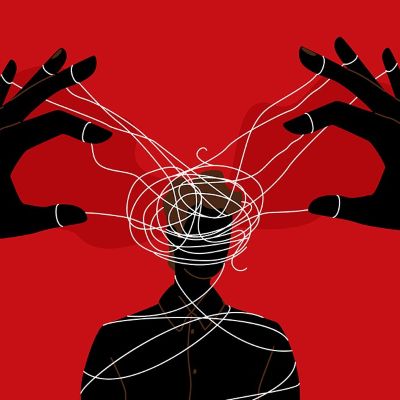
This workshop explores the clinical impact of narcissistic abuse and gaslighting, including the emotional, psychological, relational, and nervous system effects of chronic manipulation and invalidation. Participants will examine common trauma responses in survivors and learn practical, recovery-oriented strategies to support emotional stabilization, rebuild self-trust, strengthen boundaries, and promote healing and autonomy.

Survivors of narcissistic abuse and gaslighting often enter treatment feeling confused, emotionally overwhelmed, chronically self-doubting, and disconnected from their own sense of reality. Many struggle to identify the abuse itself, particularly when the manipulation has been subtle, persistent, or normalized within the relationship.

Clinicians may see symptoms related to trauma, anxiety, depression, emotional dysregulation, attachment injuries, or relationship distress without initially recognizing the underlying pattern of coercive and psychologically manipulative dynamics contributing to the presentation.

This training is designed to help mental health professionals better recognize and respond to the clinical impact of narcissistic abuse and gaslighting. Participants will explore common patterns associated with narcissistic abuse, the psychological and nervous system impact of ongoing emotional manipulation, and how survivors often internalize shame, blame, and self-doubt. This workshop will provide practical, recovery-oriented intervention strategies clinicians can begin integrating into practice immediately.

Participants will explore approaches that counteract the effects of narcissistic abuse, support emotional stabilization, rebuild self-trust, strengthen boundaries, and help survivors move toward rebuilding autonomy and healing.

Session Highlights
  • Recognizing the clinical presentation of narcissistic abuse and gaslighting
  • Exploring common survivor responses, including shame, self-doubt, hypervigilance, and
    emotional dysregulation
  • Applying trauma-informed assessment and intervention strategies in clinical practice
  • Supporting survivors in rebuilding self-trust, boundaries, and emotional stability
  • Avoiding common clinical pitfalls that may unintentionally reinforce minimization, shame,
    or self-doubt
Key Takeaways for Clinicians

“Working with survivors of narcissistic abuse requires clinicians to recognize the lasting effects of manipulation, emotional invalidation, and gaslighting on mental health. This workshop provides practical, trauma-informed strategies to help identify narcissistic abuse while supporting clients through recovery with confidence and compassion.

You’ll learn how narcissistic abuse can present through anxiety, depression, attachment injuries, emotional dysregulation, chronic self-doubt, and disrupted interpersonal relationships. Through real-world case examples, you’ll strengthen your assessment skills and develop interventions that promote emotional stabilization, healthier boundaries, and greater self-trust.

The training also explores recovery-oriented approaches that help clients process the psychological impact of narcissistic abuse, reduce shame, rebuild autonomy, and restore a stronger sense of identity. These evidence-based techniques can be integrated into a variety of clinical settings and treatment models.

Whether you work in private practice, community mental health, hospitals, or integrated care, this workshop will strengthen your ability to assess narcissistic abuse, respond to complex trauma presentations, and guide clients toward lasting recovery. Continue expanding your knowledge through our Clinical Blog and Upcoming Clinical Events, while staying informed with research from the National Institute of Mental Health (NIMH) and guidance from the American Psychological Association (APA).

This live interactive webinar is designed for behavioral health professionals, including:

  • Counselors
  • Social Workers
  • Psychotherapists
  • Marriage & Family Therapists
  • Psychologists
  • Substance Use Disorders Counselors
  • Case Managers
  • Physicians
  • Other Mental Health Professionals

Katelyn E. Baxter-Musser, MSW, LCSW, C-DBT, C-PD

Katelyn Baxter-Musser, LCSW

Trauma, DBT & EMDR Training

Katelyn E. Baxter-Musser, MSW, LCSW, C-DBT, C-PD, is a licensed clinical social worker, trauma therapist, author, consultant, and professional educator based in Maine. Her clinical and training work focuses on trauma, post-traumatic stress, dissociation, emotional dysregulation, anxiety, depression, grief, personality-related concerns, intimate partner violence, narcissistic abuse, gaslighting, relationship trauma, and the needs of first responders. Through Inner Awakenings Counseling and Consulting, she provides psychotherapy, professional consultation, and practice-oriented education for mental health clinicians.

Katelyn is certified in Dialectical Behavior Therapy and is an EMDRIA Approved Consultant. Her work combines DBT, EMDR, Cognitive Behavioral Therapy, mindfulness, trauma-informed care, and solution-focused interventions within an individualized clinical framework. Rather than using one treatment model for every presentation, she encourages clinicians to consider safety, emotional regulation, dissociation, attachment, physiological activation, shame, culture, relationships, and the client’s readiness for trauma processing.

As a presenter, Katelyn is known for translating complex clinical material into specific interventions that therapists can apply in practice. Her training addresses the moments that often leave clinicians feeling uncertain: when a client becomes emotionally overwhelmed, disconnects during a session, struggles to use coping skills, repeatedly returns to unsafe relationships, or becomes destabilized when treatment moves too quickly. Her teaching emphasizes careful assessment, collaborative pacing, clinical boundaries, and interventions that strengthen clients’ capacity to remain present and engaged.

Professional Background

Katelyn earned her Master of Social Work from Arizona State University and developed professional experience across private practice, behavioral health agencies, child and family services, trauma-focused programs, and community settings. Her current practice, Inner Awakenings Counseling and Consulting, is located in Gorham, Maine, and offers therapy, EMDR services, clinician consultation, and professional training.

Her clinical specialties include trauma and PTSD, anxiety, depression, grief, dissociation, personality disorders, relationship difficulties, narcissistic abuse, gaslighting, and concerns affecting first responders. Her practice profile describes an integrative approach incorporating DBT, CBT, EMDR, mindfulness, and solution-focused treatment. This combination allows her to address both immediate stabilization needs and the emotional, cognitive, behavioral, and relational patterns that may continue after a traumatic experience.

Katelyn holds the EMDRIA Approved Consultant credential. EMDRIA requires Approved Consultants to demonstrate substantial EMDR clinical experience and provide consultation that helps other clinicians develop competence in EMDR case conceptualization and treatment. Her consultation work includes trauma treatment, EMDR, DBT, intimate partner violence, narcissistic abuse, gaslighting, and work with first responders.

She has also served as a national presenter for PESI and other continuing education organizations, providing training on DBT, trauma, mindfulness, intimate partner violence, personality disorders, and related behavioral health concerns. New Harbinger’s current author profile notes that she has trained thousands of mental health professionals through her educational work.

Katelyn is the author of The DBT Workbook for Narcissistic Abuse and Gaslighting, published by New Harbinger Publications in 2024. The workbook uses DBT-informed exercises to support emotional regulation, self-compassion, healthier boundaries, self-trust, and recovery from manipulative or emotionally abusive relationships.

Areas of Expertise

Trauma, PTSD, and Dissociation. Katelyn helps clinicians recognize that dissociation may appear as emotional numbness, depersonalization, derealization, memory gaps, loss of time, disconnection from physical sensations, or difficulty remaining mentally present. These reactions can be mistaken for avoidance, noncompliance, inattention, or lack of motivation. Her work emphasizes assessment, orientation, stabilization, grounding, predictable therapeutic relationships, and careful pacing before intensive trauma processing. Clinical Events’ guide to evidence-based trauma therapy offers related information on trauma assessment, dissociation, EMDR, cognitive therapies, and body-oriented interventions.

Dialectical Behavior Therapy. DBT is a central part of Katelyn’s clinical teaching. She helps professionals apply mindfulness, distress tolerance, emotion regulation, and interpersonal-effectiveness skills within a coherent case formulation rather than using DBT as a collection of unrelated worksheets. Her training also addresses validation, behavioral chain analysis, crisis survival, shame, dialectical thinking, treatment-interfering behavior, and the development of a life that reflects the client’s values. Clinical Events’ resource on DBT, trauma, and emotional dysregulation provides complementary clinical context.

EMDR and Trauma Processing. As an EMDRIA Approved Consultant, Katelyn supports clinicians in approaching trauma reprocessing with attention to consent, preparation, resourcing, readiness, dissociation, emotional tolerance, and the client’s ability to remain oriented. She emphasizes that disclosure of trauma does not automatically indicate readiness for memory processing. Clinical Events’ complete guide to EMDR therapy offers additional background on assessment, preparation, bilateral stimulation, processing, installation, closure, and reevaluation.

Emotional Regulation and Stabilization. Katelyn’s work helps clinicians support clients who experience intense emotions, shutdown, panic, shame, impulsive coping, relational crises, or difficulty using skills under stress. Her approach recognizes that understanding a coping strategy intellectually is different from accessing it during emotional activation. Treatment therefore includes repeated practice, individualized cues, environmental support, self-validation, and realistic planning for moments when the client’s usual coping capacity is reduced.

Narcissistic Abuse, Gaslighting, and Relational Trauma. Katelyn works with survivors of manipulation, coercive control, chronic invalidation, psychological abuse, and relationship dynamics that undermine self-trust. Her approach focuses on the client’s reported experiences, symptoms, safety, functioning, boundaries, and recovery rather than diagnosing an absent partner or family member. Clinical Events’ clinical overview of gaslighting can support clinicians in recognizing manipulation while avoiding unsupported diagnostic conclusions. Her published workbook extends this work through DBT-based exercises for emotional regulation, self-worth, and boundaries.

Personality Disorders and Complex Presentations. Katelyn’s education addresses personality-related patterns, emotional instability, identity concerns, impulsivity, shame, interpersonal conflict, and recurring behaviors that interfere with treatment. She encourages clinicians to differentiate trauma responses, personality traits, attachment adaptations, and formal personality-disorder diagnoses. This distinction is especially important in an online environment where clinical terminology is frequently used without comprehensive assessment.

Intimate Partner Violence and First Responder Trauma. Her professional background also includes work related to domestic violence, coercive relationships, abuse, and occupational trauma affecting first responders. Treatment in these contexts may require attention to ongoing safety, traumatic exposure, shame, organizational culture, sleep, hypervigilance, relationship strain, and concerns about professional consequences. Katelyn’s consultation and training help clinicians balance validation with careful risk assessment, documentation, referral, and collaboration when additional support is needed.

Clinical Training and Consultation. Katelyn provides workshops, consultation, and professional education for clinicians seeking stronger competence in trauma, DBT, EMDR, dissociation, mindfulness, relational abuse, and personality-related concerns. Her programs prioritize clear explanations, clinical examples, practical resources, and interventions that can be adapted to varied professional settings while remaining within the clinician’s scope of practice.

Authored Publications
  • The DBT Workbook for Narcissistic Abuse and Gaslighting: Dialectical Behavior Therapy Skills to Stay Emotionally Centered, Overcome Self-Doubt, and Reclaim Your Self-Worth
Other Events

Trauma and Dissociation

Sep. 5 | 3 CE Credits

After this training, participants will be able to:

  • Identify common clinical presentations and relational patterns associated with narcissistic abuse and gaslighting.
  • Apply trauma-informed and recovery-oriented intervention strategies that support emotional stabilization, boundary development, and rebuilding self-trust.
  • Examine common clinical pitfalls when working with survivors of narcissistic abuse and gaslighting.

10:05-10:30 am – Understanding Narcissistic Abuse and Gaslighting in Clinical Practice
10:30-11:00 am – Clinical Presentation and Assessment Considerations for Survivors
11:00-11:30 am – Trauma Responses, Nervous System Dysregulation, and Relational Dynamics
11:30-11:45 am – Break
11:45-12:15 pm – Recovery-Oriented Clinical Strategies for Emotional Stabilization, Rebuilding Self-Trust, Boundaries, and Autonomy
12:15-12:45 pm – Recovery-Oriented Clinical Strategies for Emotional Stabilization, Rebuilding Self-Trust, Boundaries, and Autonomy
12:45-1:05 pm – Common Clinical Pitfalls and Integrating Interventions into Practice
1:05-1:15 pm – Q&A

Intermediate.

Registration Cost

Registration $67 | Nov. 14 Virtual Event | 3 CE Credits | 10:00 am – 1:15 pm ET

Registration Deadline:  Nov. 14, 2026

Cancellation Policy

All registrations are non-refundable. However, you may request a full credit toward a future training if:

  • You notify us at least 72 hours before the event starts.
  • Credit is valid for up to 6 months from the original event date.
  • No credit will be issued for no-shows or cancellations made on the same day.
  • When you register for an event, you agree to these terms

Please email [email protected] to request a credit or reschedule.

A total of 3 CE credits are available.

Additional Approvals Pending.


ASWB ACE

Clinical Events, LLC, (provider # 2201) is approved as an ACE provider to offer social work continuing education by the Association of Social Work Boards (ASWB) Approved Continuing Education (ACE) program. Regulatory boards are the final authority on courses accepted for continuing education credit. ACE provider approval period: 11/01/2025 – 11/01/2028.

NBCC

Clinical Events, LLC has been approved by NBCC as an Approved   Continuing Education Provider, ACEP No. 7643 Programs that do not qualify for NBCC credit are clearly identified. Clinical Events, LLC is solely responsible for all aspects of the programs.

NAADAC

This course has been approved by Clinical Events, as a NAADAC Approved Education Provider, for educational credits. NAADAC Provider #320899, Clinical Events is responsible for all aspects of the programming.

NY State Board of Psychologists

Clinical Events, LLC is recognized by the New York State Education Department’s State Board for Psychology as an approved provider of continuing education for licensed psychologists #PSY-0292.

NY State Board of Psychoanalysts

Clinical Events, LLC is recognized by the New York State Education Department’s State Board for Mental Health Practitioners as an approved provider of continuing education for licensed psychoanalysts #P-0073.

NY State Board of Social Workers

Clinical Events, LLC is recognized by the New York State Education Department’s State Board for Social Work as an approved provider of continuing education for licensed social workers #SW-0828.

NY State Board of Mental Health Counselors

Clinical Events, LLC is recognized by the New York State Education Department’s State Board for Mental Health Practitioners as an approved provider of continuing education for licensed mental health counselors. #MHC-0329.

NY State Board of Marriage & Family Therapists

Clinical Events, LLC is recognized by the New York State Education Department’s State Board for Mental Health Practitioners as an approved provider of continuing education for licensed marriage and family therapists #MFT-0140.

NJ State Board of Social Workers & Professional Counselors

The New Jersey Social Work Examiners Board accepts ASWB ACE Provider credits. The New Jersey Professional Counselors Board accepts NBCC-approved CE provider credits.

All Other States Social Workers & Professional Counselors

All other states accept ASWB ACE Provider credits and NBCC-approved CE provider credits. Licensees are responsible for determining whether courses meet the CE requirements in their jurisdictions. States and provincial regulatory boards have the final authority to determine whether an individual course may be accepted for credit.

Florida Certification Board

Clinical Events is approved by the Florida Certification Board (FCB) to offer continuing education programs (Provider # 5527-A).

Canada Social Workers

BC, AB, SK, MB, ON, and QC accept ASWB ACE-approved provider programs to meet licensure renewal requirements.  Licensees are responsible for determining whether courses meet the CE requirements in their province. Provincial regulatory boards have the final authority to determine whether an individual course may be accepted for credit.

Canada Counsellors

Clinical Events is an NBCC-approved provider.  Licensees are responsible for determining whether courses meet the CE requirements in their province. Provincial regulatory boards have the final authority to determine whether an individual course may be accepted for credit.

Please contact us if you would like to inquire about applicable approvals for your continuing education (CE) needs.

Each professional is responsible for understanding and meeting the specific CE requirements set by their individual licensing board or regulatory agency. We encourage you to reach out to your licensing body directly to confirm how our programs apply toward your licensure renewal.

Questions:  [email protected]

In accordance with continuing education standards and requirements, the presenter discloses that they have no relevant financial relationships, affiliations, or conflicts of interest to report.