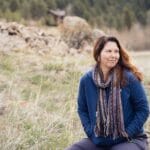
 Rochelle Calvert, PhD, CMT, SEP, BCBA
Mindfulness, Somatic Trauma, and Nature Therapy Educator
Rochelle Calvert, PhD, CMT, SEP, is a licensed clinical psychologist, certified mindfulness teacher, Somatic Experiencing Practitioner, author, ecotherapy educator, and retreat leader whose work integrates mindfulness, somatic awareness, nature-based practice, and trauma-informed care. She is the founder and clinical director of New Mindful Life and currently directs the Ecotherapy Certificate Program at Southwestern College and New Earth Institute in Santa Fe, New Mexico. Her work supports clinicians and clients in exploring how present-moment awareness, bodily experience, and relationship with the natural world may contribute to stabilization, meaning, and recovery.
Rochelle Calvert, PhD, CMT, SEP, has studied and taught mindfulness for more than 20 years. Her teaching includes nature-based mindfulness, Mindfulness-Based Stress Reduction, Mindfulness-Based Cognitive Therapy, mindful eating, mindful parenting, and workplace mindfulness. Rather than presenting mindfulness as a universal relaxation technique, she emphasizes pacing, choice, and attention to whether inward focus is helpful or overwhelming for a particular person.
Rochelle Calvert, PhD, CMT, SEP, is also the author of Healing with Nature: Mindfulness and Somatic Practices to Heal from Trauma. Published by New World Library, the book brings together nature connection, mindfulness, body awareness, and trauma recovery through guided reflections and practices. Her broader educational work includes professional training, retreats, individual instruction, and experiential learning designed to help people reconnect with their bodies and surroundings without treating nature as a replacement for appropriate psychological or medical care.
Professional Background
Rochelle Calvert, PhD, CMT, SEP, is identified by her current official professional biography as a licensed clinical psychologist and the founder and clinical director of New Mindful Life. The practice offers mindfulness-based, nature-based, and somatic approaches for people experiencing trauma-related distress, anxiety, depression, life transitions, chronic pain, eating concerns, and other emotional or behavioral challenges. Her work may take place indoors or outdoors, depending on clinical appropriateness, informed consent, accessibility, privacy, weather, and client preference.
Rochelle Calvert, PhD, CMT, SEP, serves as Director of the Ecotherapy Certificate Program at Southwestern College and New Earth Institute. In this role, she contributes to professional education examining the relationship among mental health, ecological awareness, body-based experience, and the healing potential of contact with the natural world. Her current college profile also identifies her as a clinical psychologist in private practice and describes her integration of mindfulness, nature-based therapy, and Somatic Experiencing.
Rochelle Calvert, PhD, CMT, SEP, completed certified mindfulness-teacher training through the Mindfulness Training Institute and is listed in her current biography as certified through the International Mindfulness Teachers Association. She also completed Awake in the Wild teacher training and professional preparation in Mindfulness-Based Stress Reduction through the University of Massachusetts Medical Center. Her biography notes previous service as professional training director for the University of California San Diego Center for Mindfulness.
Rochelle Calvert, PhD, CMT, SEP, holds the Somatic Experiencing Practitioner designation and leads courses, retreats, and professional trainings combining mindfulness, somatic tracking, and nature-based practices. Her teaching encourages clinicians to recognize activation, numbness, breath changes, posture, movement impulses, and sensory responses as potentially relevant information while avoiding the assumption that every bodily sensation proves a trauma narrative or psychological cause. Somatic Experiencing International confirms that the SEP designation requires completion of its professional training and related experiential requirements.
Rochelle Calvert, PhD, CMT, SEP, has also taught nationally through continuing education organizations and developed training on mindfulness-based and somatic practices for trauma, anxiety, emotional regulation, parenting, eating-related concerns, and workplace stress. These programs translate experiential methods into practical clinical language while emphasizing that scope of practice, assessment, informed consent, cultural responsiveness, and referral remain central to responsible care.
Areas of Expertise
Nature-Based Therapy and Ecotherapy. Rochelle Calvert, PhD, CMT, SEP, helps clinicians and clients explore how contact with the natural environment may support attention, grounding, reflection, sensory awareness, and connection. Nature-based work can include mindful walking, observing seasonal change, orienting to sound or light, and reflecting on personal responses to place. It should remain accessible, consent-based, and adaptable for clients with disabilities, environmental fears, allergies, cultural concerns, or limited access to outdoor settings.
Trauma-Informed Mindfulness. Dr. Calvert teaches mindfulness as flexible present-moment awareness rather than forced calm. For some trauma survivors, prolonged silence, closed eyes, breath focus, or intensive body scanning can increase distress. Her approach supports shorter practices, external orientation, movement, open eyes, and permission to stop. Clinical Events’ guide to integrating mindfulness into trauma therapy offers related considerations for pacing, grounding, and client readiness. The NCCIH also advises that mindfulness research is promising but variable and that adverse experiences remain possible.
Somatic Experiencing and Body Awareness. Dr. Calvert’s somatic work focuses on noticing sensations, activation, settling, movement, and shifts in attention without rushing clients into overwhelming material. The aim is not to force emotional release but to expand awareness and choice. Clinical Events’ evidence-informed guide to somatic therapy techniques discusses orienting, grounding, interoception, resourcing, and titration alongside important clinical cautions.
Trauma Recovery and Nervous-System Regulation. Dr. Calvert works with people affected by post-traumatic stress, anxiety, depression, pain, and life disruption. Her approach integrates mindfulness and somatic awareness with broader trauma-informed principles. Clinical Events’ trauma therapy overview places body-oriented and mindfulness-based practices within a larger treatment landscape that also includes established trauma-focused psychotherapies.
Mindfulness-Based Clinical Applications. Her teaching experience includes Mindfulness-Based Stress Reduction, Mindfulness-Based Cognitive Therapy, mindful eating, parenting, and workplace practice. Mindfulness may help clients notice thoughts, emotions, urges, and sensations with greater space, but it should not be framed as a guaranteed treatment or substitute for diagnosis-specific care. Research findings differ considerably by condition, population, intervention, comparison group, and study quality.
Ecological Grief, Belonging, and Ecodharma. Dr. Calvert’s work also considers the emotional impact of ecological disruption and the possibility that a relationship with the natural world can support meaning, responsibility, and belonging. Ecodharma connects contemplative practice with awareness of interdependence and ecological care. These themes can be clinically meaningful when explored without imposing spiritual beliefs or assuming that every client experiences nature in the same way.
Professional Training and Retreat Facilitation. Dr. Calvert leads retreats, seminars, courses, and clinician trainings combining teaching with guided experiential practice. Participants may explore mindfulness, sensory awareness, movement, nature connection, and somatic tracking while considering how these methods fit within psychotherapy, education, and personal practice. Ethical facilitation requires clear expectations, optional participation, attention to accessibility, and procedures for responding when an exercise increases distress.
Authored Publications
The following title is verified through the author’s current website and official publisher record.
- Healing with Nature: Mindfulness and Somatic Practices to Heal from Trauma