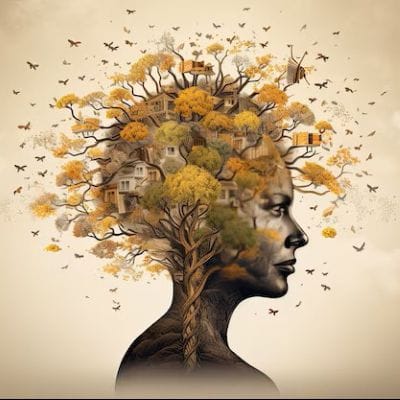
Ecopsychology explores the inherent relationship between humans and the natural world and its profound implications for psychological well-being. Rooted in both ancient traditions and contemporary clinical research, ecopsychology proposes that many mental health challenges stem not only from trauma and attachment ruptures but from ecological disconnection and the loss of belonging within the larger web of life. When clients shift from a transactional relationship with the natural world into a reciprocal and embodied relational one, the “more-than-human” world can function as a safe and responsive attachment figure—offering consistent co-regulation, presence, and belonging. This relational field supports repair of attachment wounding and expands internal templates of connection, reducing symptoms rooted in disconnection and supporting greater relational capacity across domains of life. This 3-hour training integrates ecopsychology theory with somatic and experiential practices to support clinicians in understanding nature as a co-regulator and therapeutic resource. Participants will learn practical interventions that harness nervous system regulation, sensory attunement, and place-based connection, helping clients reduce anxiety, deepen embodiment, and restore meaning and resilience. The training bridges clinical frameworks with applied ecopsychology tools in a way that is accessible for clinical practice.
Session Highlights
- Introduces a cutting-edge integration of ecopsychology, attachment theory, and somatic practice to address trauma and relational disconnection.
- Demonstrates how relational engagement with the natural world functions as a co-regulatory process that supports attachment repair and nervous system stabilization.
- Provides clinicians with experiential, nature-based interventions that can be applied in outpatient, intensive, and group therapy settings.
- Bridges foundational theory with immediately usable tools, including sensory attunement, place-based practices, and therapeutic relationality with the “more-than-human” world.
- Expands clinicians’ understanding of belonging and connection as core mechanisms of psychological healing in a modern context marked by isolation and overwhelm.
 Livia Adia Budrys, LCSW, C-IAYT, SEP